Summary of the 2026 LAMASUS, BrightSpace & Tools4CAP summer school
June 8-12, 2026
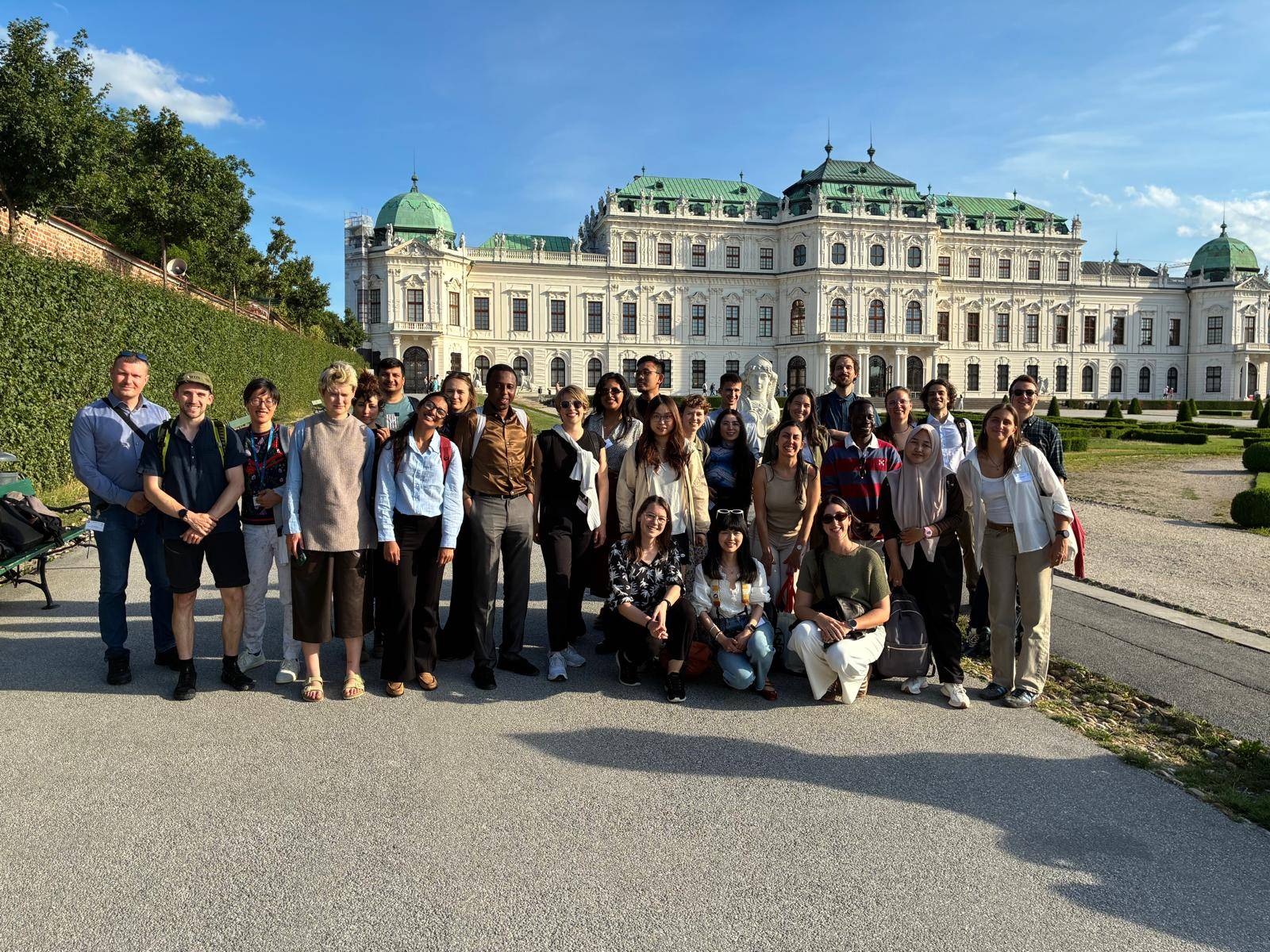
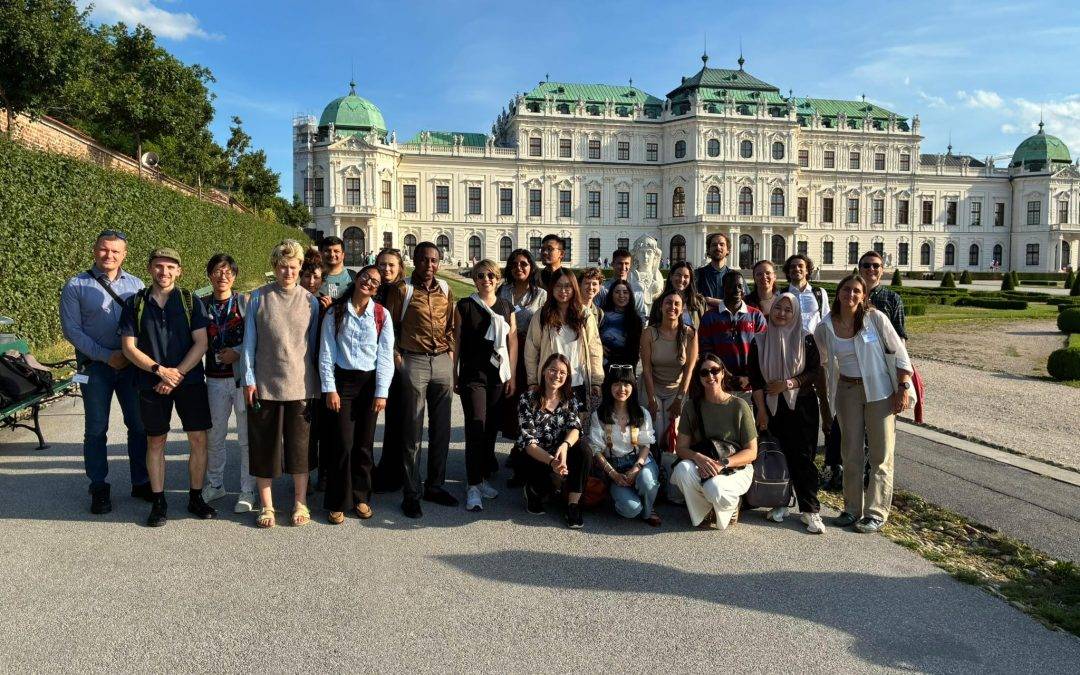
Researchers, students, and experts from across Europe gathered at the International Institute for Applied Systems Analysis (IIASA) for the 2026 LAMASUS–BrightSpace–Tools4CAP Summer School. Over five intensive days, participants explored state-of-the-art approaches to land-use modelling, agricultural policy analysis, climate scenarios, biodiversity assessments, and decision-support tools, while gaining hands-on experience with the datasets and platforms developed within the three Horizon Europe projects.
The programme combined lectures from leading experts, practical exercises, collaborative group work, and networking opportunities, providing participants with a comprehensive overview of how data, models, and policy analysis can be combined to support sustainable land management across Europe.
Day 1: Setting the Scene – Land Use, Policy and Data
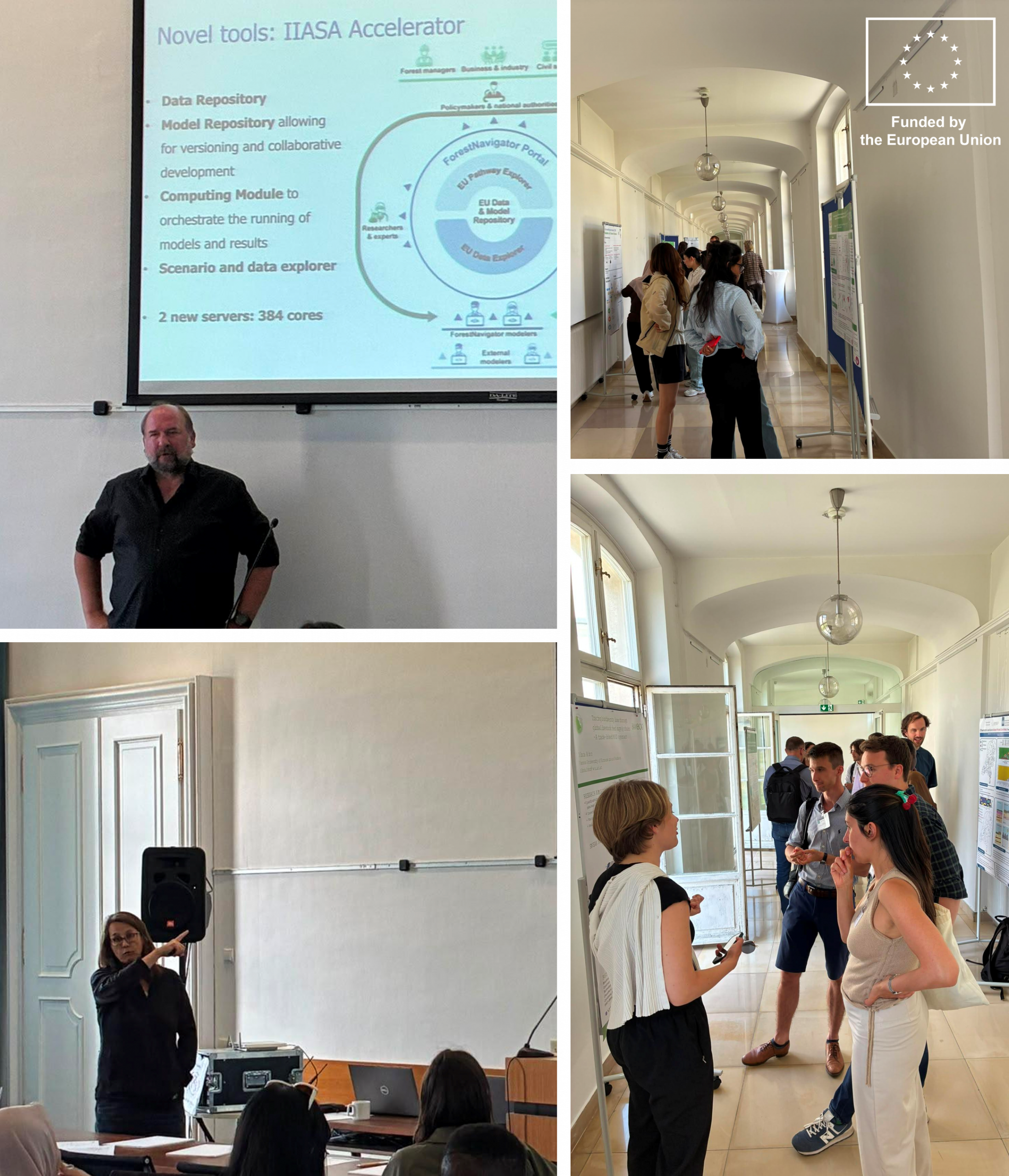
The Summer School opened with welcome remarks from Petr Havlík (LAMASUS Principal Scientist) and an introduction to the objectives of the week. The session continued with an overview of the LAMASUS project by Tam´s Krisztin (LAMASUS Scientific Coordinator) highlighting its goals, key outputs, and contributions to supporting evidence-based decision-making. A keynote session by Tassos Haniotis (Policy Advisory Board) on the future of the European Union’s Common Agricultural Policy (CAP) explored the policy challenges facing European agriculture in a rapidly changing environmental, economic, and geopolitical landscape.
In the afternoon, participants presented their research during a poster session, creating opportunities for discussion and networking. Technical sessions led by Linda See (senior researcher) then focused on the LAMASUS Land Use and Management (LUM) Geodatabase, providing insights into how harmonised land-use and management information is generated and made accessible. The day concluded with an introduction to the IIASA Accelerator and the digital tools participants would use throughout the week, including the LAMASUS Data Explorer and Jupyter-based analysis environments.
Day 2: Understanding Integrated Assessment Modelling with GLOBIOM
The second day focused on integrated assessment modelling and the role of quantitative tools in supporting agricultural and climate policy.
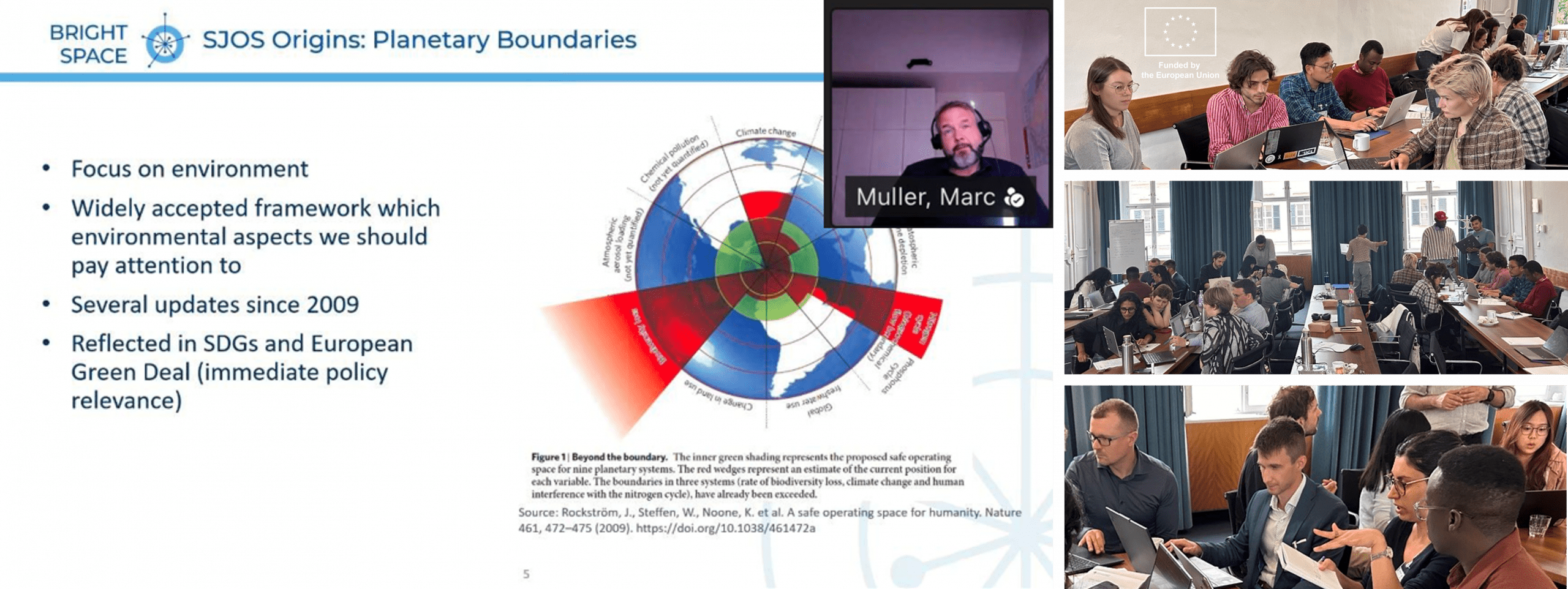
Marc Müller (Brightspace coordinator) introduced the BrightSpace project and its vision for supporting sustainable land-use transitions. This was followed by a series of sessions dedicated to GLOBIOM, the Global Biosphere Management Model developed at IIASA. Experts presented the foundations of economic modelling for policy support, the structure and functionality of GLOBIOM, and its extensive applications in assessing land-use, agricultural, and climate policies. Further sessions explored how GLOBIOM contributes to international climate scenario development and European policy processes. Participants examined the drivers behind future land-use scenarios and were introduced to the comprehensive scenario framework developed within LAMASUS.
The day concluded with interactive group exercises using the IIASA Accelerator platform. Working with real model outputs, participants explored scenario results, developed visualisations, and discussed the implications of alternative future pathways for land use and agriculture.
Day 3: From Global Scenarios to Local Insights
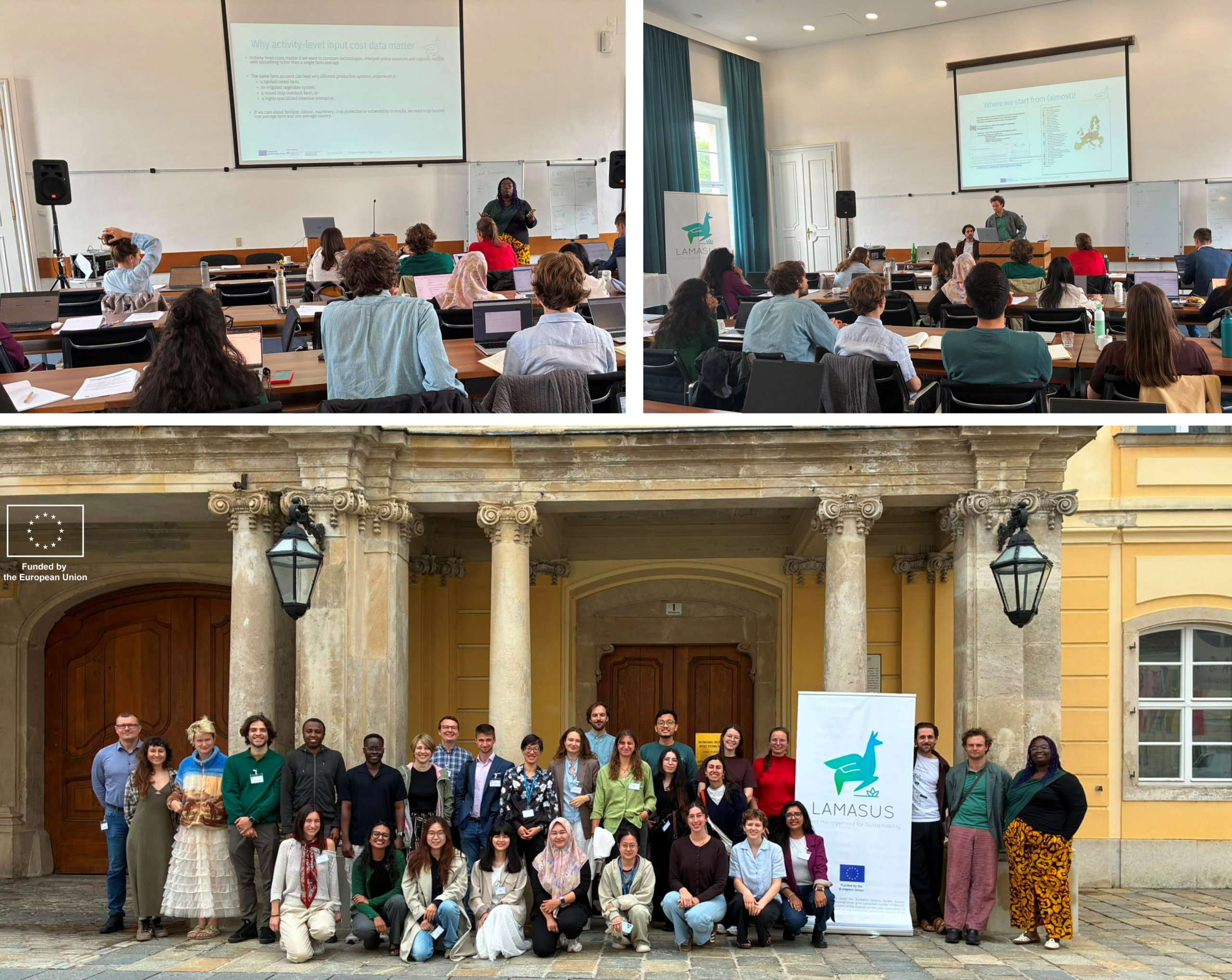
Building on the previous day’s modelling foundations, Day 3 focused on translating large-scale scenario outputs into detailed, spatially explicit insights. Sessions introduced econometric approaches for land-use change modelling and demonstrated how integrated assessment model outputs can be downscaled to better understand regional and local impacts. Participants learned how econometric methods can help bridge the gap between global policy scenarios and real-world land-use dynamics, including practical examples using statistical modelling workflows. The programme also examined scenario design and policy analysis, encouraging participants to consider how different policy choices and assumptions influence future outcomes. In the afternoon, attention turned to production costs and their representation within modelling frameworks. Participants explored methodologies for estimating agricultural production costs using farm-level data and discussed key challenges associated with integrating economic and biophysical information. The day concluded with a hands-on exercise using the Accelerator and Data Explorer platforms, allowing participants to analyse high-resolution scenario results and apply newly acquired skills to practical case studies.
Day 4: Policy Applications and Collaborative Learning
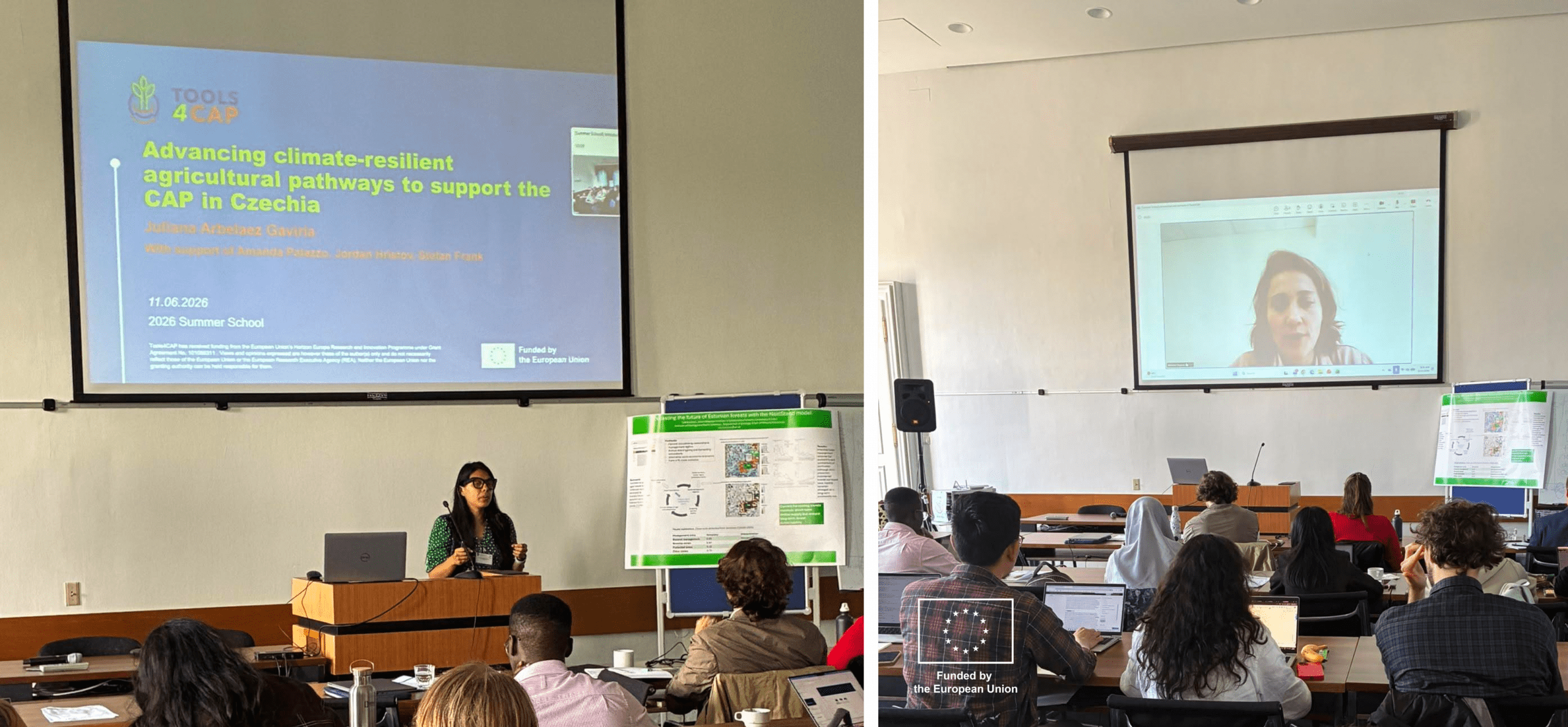
The fourth day highlighted how modelling tools can support the design, implementation, and evaluation of agricultural policies. Bérénice Dupeux (Tools4CAP coordinator) and Juliana Arbelaez-Gaviria (Tools4CAP) introduced the Tools4CAP project and its efforts to improve the evidence base for CAP decision-making. A dedicated case study focusing on the Czech Republic provided an opportunity to examine how policy scenarios can be developed and assessed in a real-world context.
The day was devoted to collaborative group work, where participants continued exploring GLOBIOM-based scenarios and refining their analyses. These sessions encouraged teamwork, critical thinking, and the interpretation of complex modelling results. In the afternoon, participants presented thematic case studies developed throughout the week. The presentations showcased a wide range of perspectives and demonstrated how the methods, datasets, and tools introduced during the Summer School can be applied to address pressing challenges related to agriculture, land use, and sustainability.
Day 5: Biodiversity, Biophysical Modelling and Looking Ahead
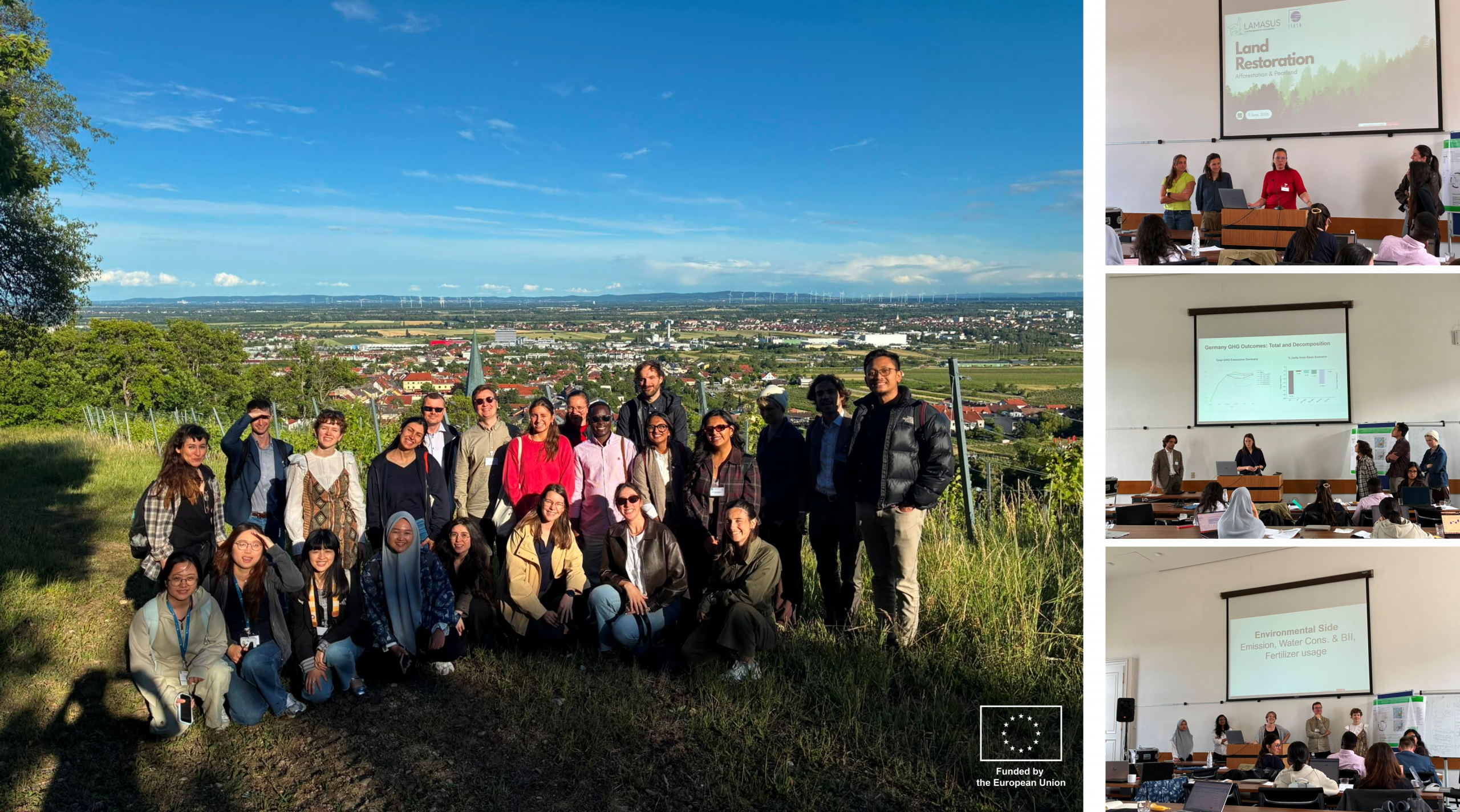
The final day focused on biophysical modelling and biodiversity, two critical dimensions of sustainable land management. Participants were introduced to the EPIC-IIASA modelling framework and learned how biophysical models can be used to assess agricultural responses to different management practices and climate scenarios across Europe. Practical sessions covered Python, Jupyter notebooks, and data analysis techniques, providing participants with additional tools for working with large-scale environmental datasets.
The afternoon explored biodiversity assessment methods and indicators developed within LAMASUS. Participants examined biodiversity outcomes under different land-use scenarios and discussed how modelling results can help support environmental policy objectives alongside agricultural production goals.
The Summer School concluded with a summary of the week’s key lessons and reflections from participants and organisers. Over five days, attendees gained valuable experience working with cutting-edge datasets, modelling frameworks, and analytical tools, while building connections across disciplines and institutions.